Achavas que já tinhas visto Sevilha?
A maioria das pessoas chega com uma lista mental: a catedral, o palácio, a praça, um espetáculo de flamenco. Assinalam os pontos. Tiraram as fotos. E partem convencidos de que conheceram a cidade.
Mas Sevilha não é barulhenta. É feita de camadas.
E as partes mais atmosféricas são quase sempre aquelas por onde os visitantes passam sem parar.
Se queres profundidade em vez de apenas uma checklist, este guia vai mudar a forma como planeias a tua viagem.
Porque Sevilha Pode Parecer Avassaladora
O roteiro típico inclui:
- Catedral de manhã
- Real Alcázar logo a seguir
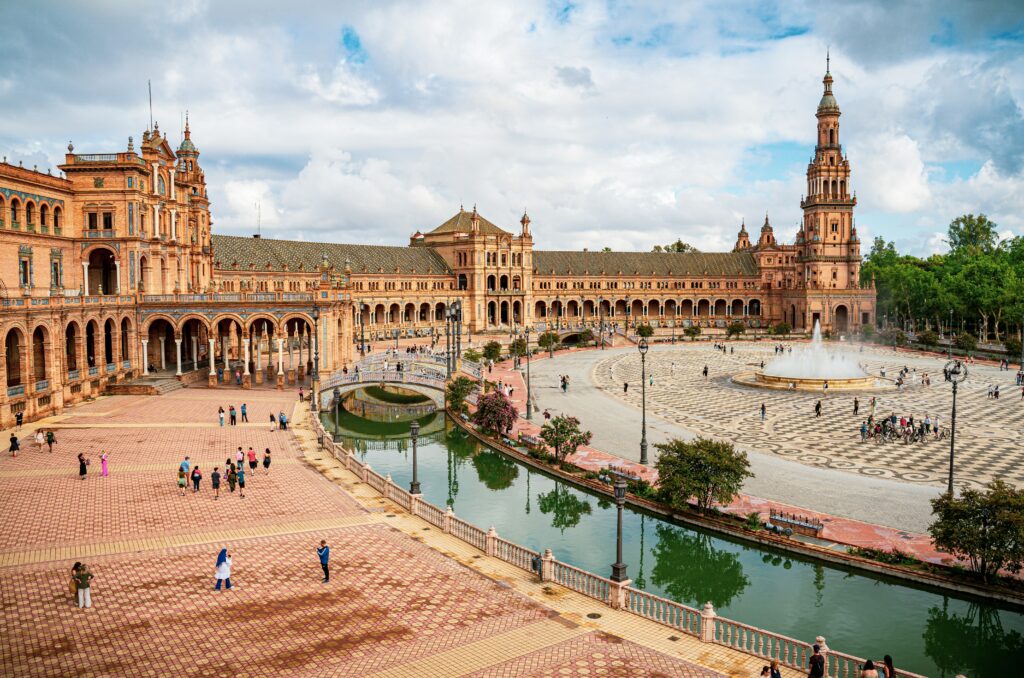
- Plaza de España ao pôr do sol
- Tapas em Santa Cruz
Não está errado, mas está incompleto.
Sevilha revela-se no ritmo — nas manhãs lentas, nos pátios à sombra, nas ruas residenciais pouco visitadas. Para viver Sevilha verdadeiramente, não precisas de mais pontos turísticos. Precisas de melhor timing e de espaço para vaguear.
Áreas Que Os Turistas Passam Rápido
Triana — Para Lá das Lojas de Cerâmica
Cruzam a ponte, fotografam o rio, mas raramente exploram as ruas residenciais por trás da avenida principal. Observa a roupa estendida, pára num bar pequeno e desfruta do bairro com calma. Triana não é sobre “ver”, é sobre sentir o lugar.
Alameda de Hércules — Vida Local, Sem Monumentos
Aqui não há catedrais nem palácios. É uma Sevilha criativa, local e autêntica. Visita ao final da tarde, pede uma bebida e observa a cidade a acontecer à tua volta.
Ruas por Trás de Santa Cruz
Santa Cruz é linda, mas muito movimentada. Afastando-se uma ou duas ruas, principalmente nas margens do antigo bairro judeu, o ruído diminui e a cidade torna-se íntima.
Como Evitar as Multidões
Não se trata de evitar os monumentos icónicos, mas de abordá-los de forma diferente:
- Visita os pontos mais conhecidos à hora de abertura
- Explora bairros residenciais durante as horas de pico
- Guarda miradouros para o pôr do sol em dias de semana
- Evita ruas com menus plastificados e atendimento agressivo
Sevilha recompensa quem ajusta ligeiramente o horário.
Onde Abrandar
Sevilha não é feita para ser apressada. Abranda em:
- Cafés com pátio à sombra ao meio-dia
- Bancos à beira-rio depois do pôr do sol
- Pequenos bares de tapas ao balcão
- Praças silenciosas fora do “top 10” turístico
A magia acontece quando parares de correr.
O Que Faz Sevilha Sentir-se Local
Não são os espetáculos de flamenco para turistas, nem as lojas de lembranças. É:
- Almoços que se prolongam até à tarde
- Vizinhagem a conversar das varandas
- Ruas vazias nas horas mais quentes
- O ritmo da vida a ajustar-se ao sol
Sevilha não é performativa. É vivida. E quando largamos a checklist, a cidade suaviza à nossa volta.
Planeamento para Profundidade
Em vez de estruturar o dia só por monumentos:
Manhã: Um grande ponto de interesse
Meio-dia: Descanso ou passeio sem rumo
Tarde: Uma zona local
Noite: Jantar fora das rotas mais conhecidas
Vais ver menos. Mas viver mais.
Reflexão Final
Se saíres de Sevilha apenas com monumentos vistos, visitaste uma versão da cidade.
Se saíres conhecendo a cidade às 7h, durante a sesta e à hora dourada numa praça tranquila, então viveste Sevilha de verdade. E essa versão fica contigo.
Did you think you’ve seen Seville?
Most people visit the city with a mental checklist: the cathedral, the palace, the square, and a flamenco show. They tick the boxes, take the photos, and leave convinced they have experienced the city.
But Seville isn’t just busy or touristy. It’s layered, and the most atmospheric parts are often those that go unnoticed.
If you want depth instead of just a checklist, this guide will change how you plan your trip.
Why Seville Can Feel Overwhelming
The typical route includes:
- Cathedral in the morning
- Royal Alcázar right after
- Plaza de España at sunset
- Tapas in Santa Cruz
It’s not wrong, but it’s incomplete.
Seville reveals itself in rhythm — slow mornings, shaded courtyards, residential streets rarely visited. To truly experience Seville, you don’t need more sights. You need better timing and space to wander.
Areas Tourists Rush Past
Triana — Beyond the Ceramic Shops
They cross the bridge, photograph the river, but rarely explore the residential streets behind the main avenue. Notice the laundry hanging, stop at a small bar, and enjoy the neighborhood at leisure. Triana is not about “seeing,” it’s about feeling the place.
Alameda de Hércules — Local Life, No Monuments
There are no cathedrals or palaces here. It’s creative, local, and authentic Seville. Visit in the late afternoon, order a drink, and watch the city happen around you.
Streets Behind Santa Cruz
Santa Cruz is beautiful but very busy. Stepping one or two streets away, especially near the edges of the old Jewish quarter, the noise softens, and the city becomes intimate.
How to Avoid the Crowds
It’s not about skipping iconic landmarks, but approaching them differently:
- Visit the main sights at opening time
- Explore residential neighborhoods during peak hours
- Save viewpoints for weekday sunsets
- Avoid streets with plastic menus and aggressive hosts
Seville rewards those who slightly adjust their schedule.
Where to Slow Down
Seville isn’t meant to be rushed. Slow down in:
- Shaded courtyard cafés at midday
- Riverside benches after sunset
- Small tapas bars at the counter
- Quiet squares outside the “top 10”
Magic happens when you stop moving.
What Makes Seville Feel Truly Local
It’s not flamenco shows for tourists, nor souvenir shops. It’s:
- Long lunches that stretch into the afternoon
- Neighbors chatting from balconies
- Empty streets during the hottest hours
- The rhythm of life adjusting to the sun
Seville isn’t performative. It’s lived. And when we drop the checklist, the city softens around us.
Planning for Depth
Instead of structuring your day only around monuments:
Morning: One major site
Midday: Rest or wandering
Afternoon: A local area
Evening: Dinner away from the busiest streets
You’ll see less. But live more.
Final Thought
If you leave Seville having only seen the monuments, you’ve visited a version of the city.
If you leave knowing how it feels at 7 a.m., during siesta, and at golden hour in a quiet square, then you’ve truly experienced Seville. And that version stays with you.